


U.S.-brokered talks between Russia and Ukraine resume Tuesday in Abu Dhabi — the first since February. Europe says it will be in the room despite the Kremlin’s objections, and President Trump says Ukraine will come out “a little bit different shape.”

Why it matters
Everyone is racing a clock: Washington wants a deal before winter, Moscow before a Democratic Congress arrives in January, Kyiv wants local ceasefires, and Europe wants not to be carved up in the next room.
Who’s at the table
- U.S.: envoys Steve Witkoff and Jared Kushner, per Reuters. Witkoff’s agenda: “post-war security agreements, de-escalation, humanitarian measures, and ending the war.”
- Russia: led again by Putin aide Vladimir Medinsky. For the first time, NPR reports, the team includes Deputy Foreign Ministers Sergei Ryabkov and Mikhail Galuzin, General Staff operations deputy Yury Zhigarlovsky and military intelligence chief Igor Kostyukov. AFP notes Ryabkov delivered Moscow’s December 2021 NATO “ultimatum.”
- Ukraine: led by Rustem Umerov, with Kyrylo Budanov, per AFP.
Carnegie’s Alexander Gabuev told AFP it’s “quite a serious team.” The Institute for the Study of War notes some of the same officials previously slowed talks down.
Europe: ‘France will be there’
Kremlin spokesman Dmitry Peskov had ruled out a European role. On Sunday, French Foreign Minister Jean-Noël Barrot said: “France will be there and will ensure that Europe’s voice is heard.” Ursula von der Leyen said “the EU will be present alongside our partners.” An EU official told AFP that national security officials from the EU, NATO, France, Germany and the U.K. will be on site. Whether they sit at the table or in the hallway is unclear.
Between the lines
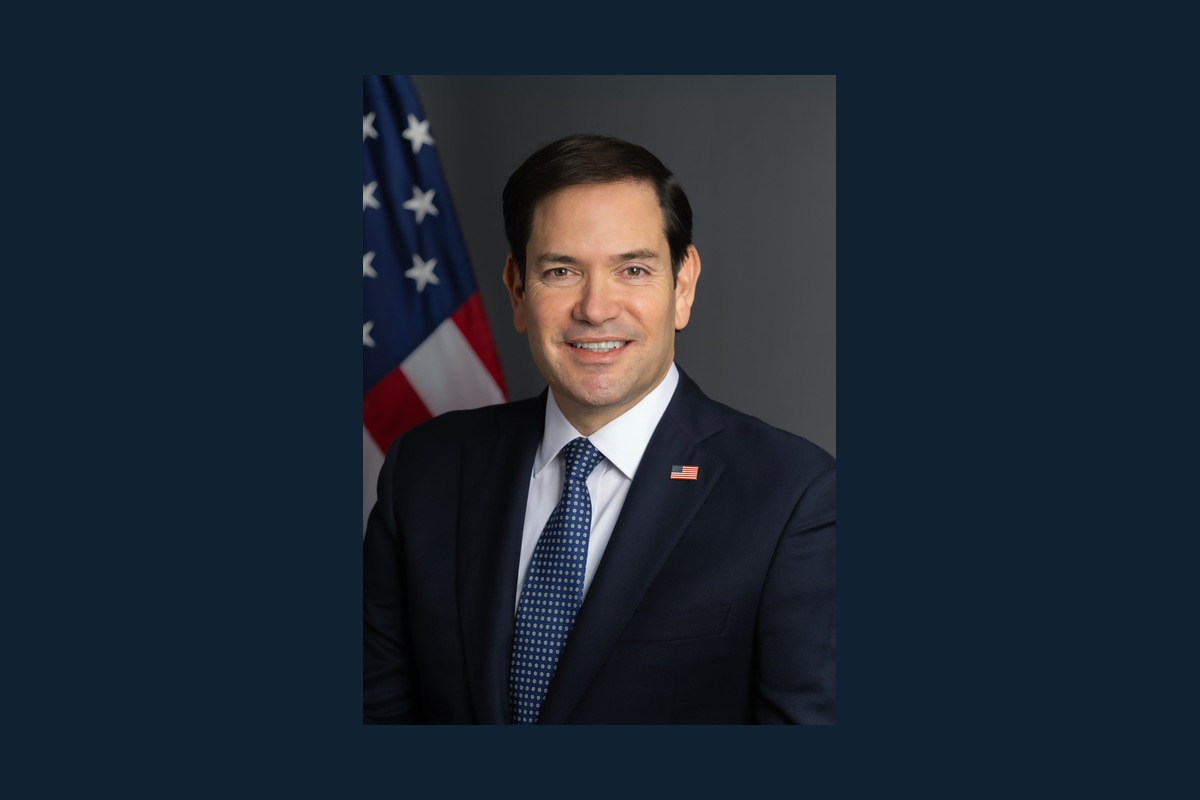
Secretary of State Marco Rubio, leaving for a G7 meeting in Paris, said “the one thing that’s repeatedly come up is the need for security guarantees,” and that there have been “some advances” on what that architecture could look like, per The Guardian.
Trump went further on “60 Minutes”: “I believe we’re very close to making a deal.” The war will “end soon, and the only reason it’s going to end is because of me.” Is Putin stringing him along? “Oh, I don’t think so.” And: “they’re going to end up with a little bit different shape Ukraine.”
On Thursday, after meeting Kremlin envoy Kirill Dmitriev, Trump said a coming agreement “might involve all of Europe.” Zelenskyy told CNN on Friday he hadn’t been briefed: “For me, it’s not simple, and it can be dangerous.”
What’s next
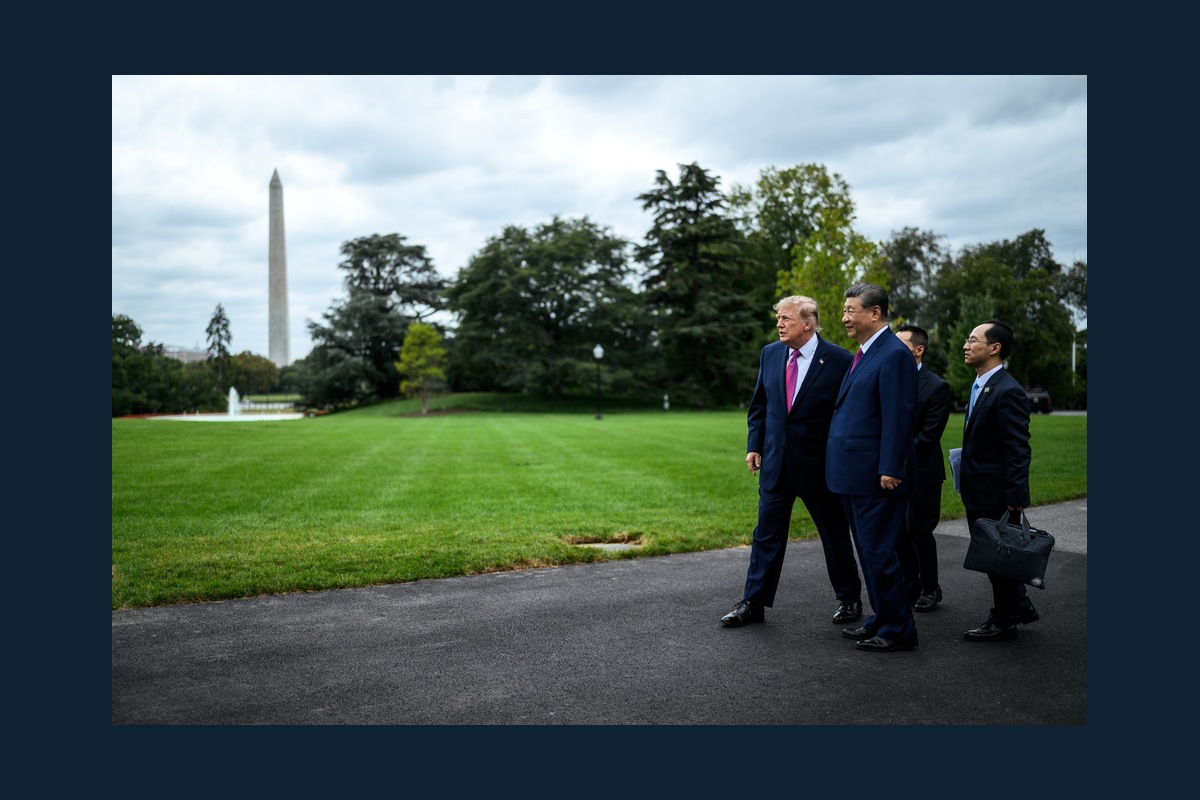
The gaps are wide: Moscow wants territory and no NATO; Kyiv wants spelled-out guarantees. Former U.S. ambassador John Herbst, writing for the Atlantic Council: “Perhaps the only outcome of the talks will be to agree to another round.” NPR reports all sides confirm discussions about a possible Trump–Xi–Putin meeting at APEC in Shenzhen later this month.
Our view
We think “a little bit different shape” is the most expensive phrase of the weekend — realism to some, a map of losses to Ukrainian families, delivered in the tone of a home renovation. Europe is right to show up uninvited: a deal that “involves all of Europe” written without Europe isn’t peace, it’s a down payment on the next war. We don’t expect miracles in two days; local truces and prisoner swaps would already beat the last three rounds.
FAQ
When are the talks? Tuesday and Wednesday, Nov. 10–11, in Abu Dhabi, with the U.S. mediating.
Is Europe participating? France and the EU say they’ll be there; the format is unclear and the Kremlin objects.
What did Trump mean by “different shape”? He didn’t say. Given Moscow’s territorial demands, it reads as a nod to border changes.
Read also
- Yalta 2.0: Europe rejects a deal over its head
- Russia, Ukraine and the U.S. head to Abu Dhabi
- Germany runs out of Patriots for Ukraine
Sergey Danilov



Leave a Reply